 European Union
Furniture for Your Medical Facility – How to Design a Safe and Functional Space?
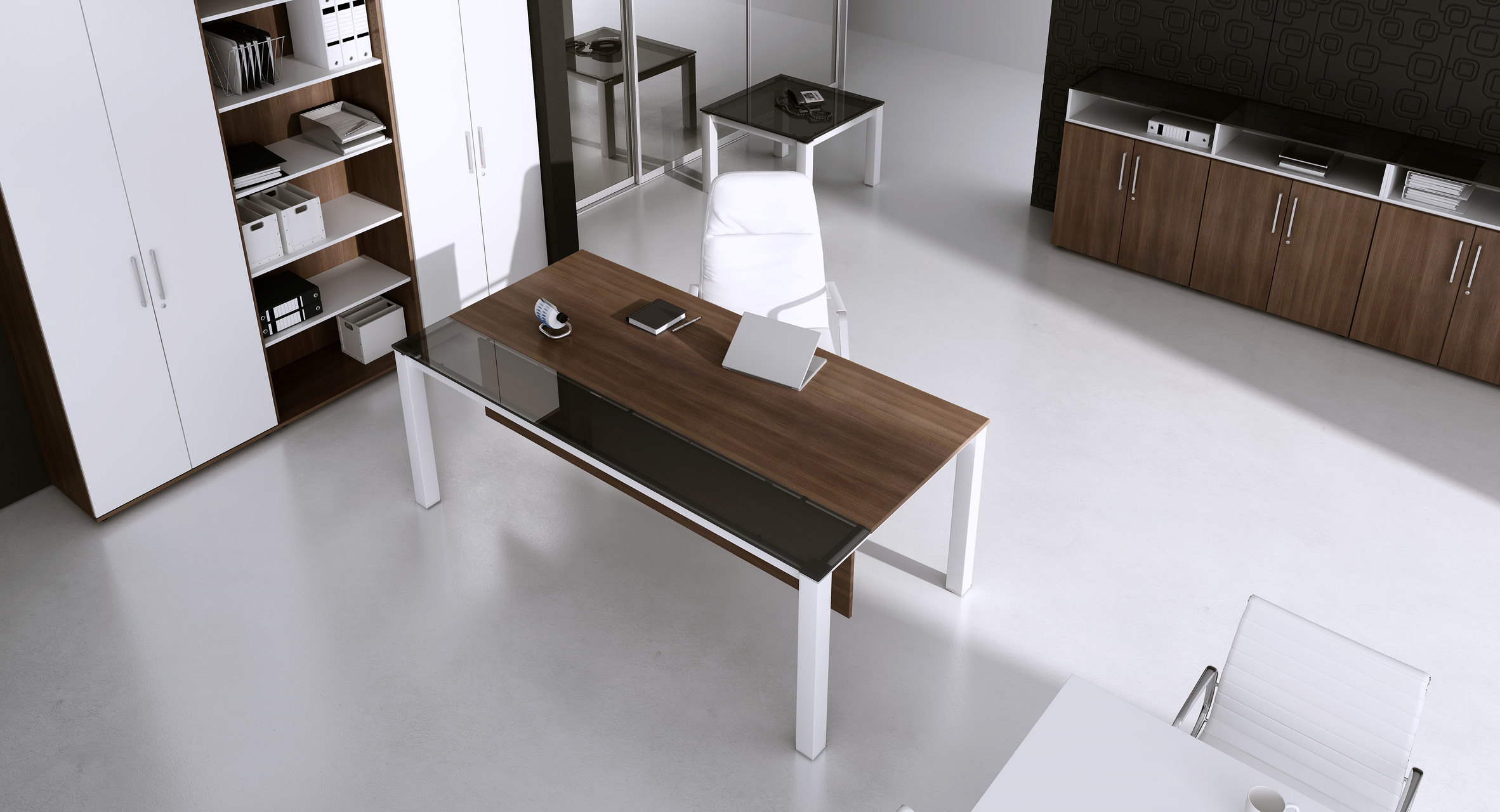
Do patients pay attention to the appearance of medical facilities?
Definitely yes. As the report indicates, more than half of the respondents admitted that the appearance of medical facility interiors influences their decision to seek treatment at a given center. Moreover, as many as 80% of respondents stated that aesthetics and interior design have a direct impact on their sense of comfort during a visit. The appearance of a facility is therefore not merely a secondary issue – it plays an important role in building positive patient experiences.
Cleanliness and hygiene – the priority of every facility
According to the report, as many as 96% of respondents considered cleanliness and hygiene to be a key element of a medical facility’s interior design. To facilitate maintaining these standards, furniture should be made of materials resistant to disinfectants, durable, and easy to keep clean, allowing them to meet the demands of everyday use.
Functionality and spatial layout
A functional layout of rooms is equally important for patients – this was indicated by 81% of respondents. A well-designed space not only improves patient comfort but also increases staff efficiency, reduces stress levels, and enhances the overall impression of the visit. It is worth ensuring elements such as the strategic placement of cabinets that facilitate storage or well-planned circulation paths that enable efficient service.
Interior design of a facility and the sense of safety
As many as 72% of respondents indicated that the design of a medical facility has a direct impact on their sense of safety. Attention to aesthetics and functionality contributes to building trust and reducing the stress associated with a medical visit, while also strengthening patients’ belief that they are in professional hands. A medical facility that invests in a well-designed space signals that its priority is not only treatment but also a comprehensive approach to patient well-being.
The appearance of a facility and its online image
Equally important is the message conveyed through the facility’s website. As the report indicates, many patients browse photos of the facility available on the website before booking an appointment. A consistent and aesthetically pleasing interior design therefore becomes the facility’s showcase online, creating the first impression for those using its services. Investing in well-designed interiors is therefore not only about improving the patient experience on site, but also an effective element of a marketing strategy and building a strong online image.
There will be no second chances – patients do not return to medical facilities that disappointed them
According to the report, the appearance and organization of a medical facility are crucial for patients when deciding whether to use its services again. Nearly 30% of respondents indicated outdated medical equipment as the main reason for not returning. The second most frequently mentioned factor was an unpleasant smell (27%), and in third place (25%) were lack of privacy (related, for example, to too little distance between chairs in the waiting room or too many patients in small spaces), dirty rooms, and neglected interiors.
What conclusions can be drawn from this data?
The design of a medical facility must combine aspects of aesthetics, functionality, and hygiene. Patients pay attention to even the smallest details, and the professional appearance of the interior builds their trust in the quality of services provided. By investing in modern furniture and a well-planned organization of space, a facility gains not only satisfied patients but also a competitive advantage on the market.
How to arrange a facility to ensure patient comfort?
Designing space in a medical facility is not only a matter of aesthetics but above all functionality and patient comfort. Modern medical facilities increasingly focus on solutions that combine contemporary design with ergonomics and care for the well-being of those using their services. So how should an interior be arranged to create a place that patients will gladly return to?
Spacious and well-designed waiting area
The waiting area is the place where patients spend their first moments after entering the facility, which is why its design should be particularly well thought out.
- Comfortable seating. Choose armchairs and chairs with an ergonomic shape that provide comfort even during longer waiting times. Place them at appropriate distances to maintain patient privacy.
- Tables for informational materials. Patients will appreciate access to brochures, magazines, or water. Aesthetic tables can also hold decorations such as flowers or plants that warm up the interior. In this case, models from the Lusso collection work particularly well.
- Cleanliness and order. Maintaining order in the waiting area is essential. Choose furniture that is easy to clean and quickly regains a fresh appearance after disinfection.
Ergonomic medical offices
In medical offices, functionality and patient comfort are just as important as the ergonomics of the staff’s work. What key elements should be taken into account?
- Adjustable chairs and treatment tables that ensure comfort during procedures for both parties – both the patient and the doctor. It is worth investing in models with electric height adjustment.
- Cabinets for equipment and materials – lockable cabinets made of antibacterial materials facilitate storage and help maintain hygiene.
- Lighting also matters – according to the report, as many as 79% of respondents indicated its importance. Choose bright but non-glaring light that ensures proper visibility while maintaining patient comfort.
Privacy – a key element of patient comfort
Privacy in a medical facility is not only a legal requirement but also a fundamental aspect of building trust and a sense of security among patients. Every patient wants to feel comfortable knowing that their personal data and health information are protected and that their privacy during the visit is fully respected.
What architectural and design solutions should be introduced to ensure patient comfort during visits?
- Confidential conversation areas – separated, quiet rooms or reception stations equipped with sound-absorbing systems that prevent accidental overhearing of conversations regarding health conditions.
- Shielded spaces in the waiting area – arranging seating in a way that provides maximum distance and limits the possibility of overhearing conversations of other patients.
- Discreet signage – introducing neutral markings that do not reveal the nature of the visit or the type of condition. Instead of names indicating a specific specialization (e.g., “Oncology Office”), more general terms or room numbering can be used to increase patients’ sense of privacy.
- Patient flow control systems – architectural solutions that minimize accidental encounters and crossing paths of patients in different zones of the facility.
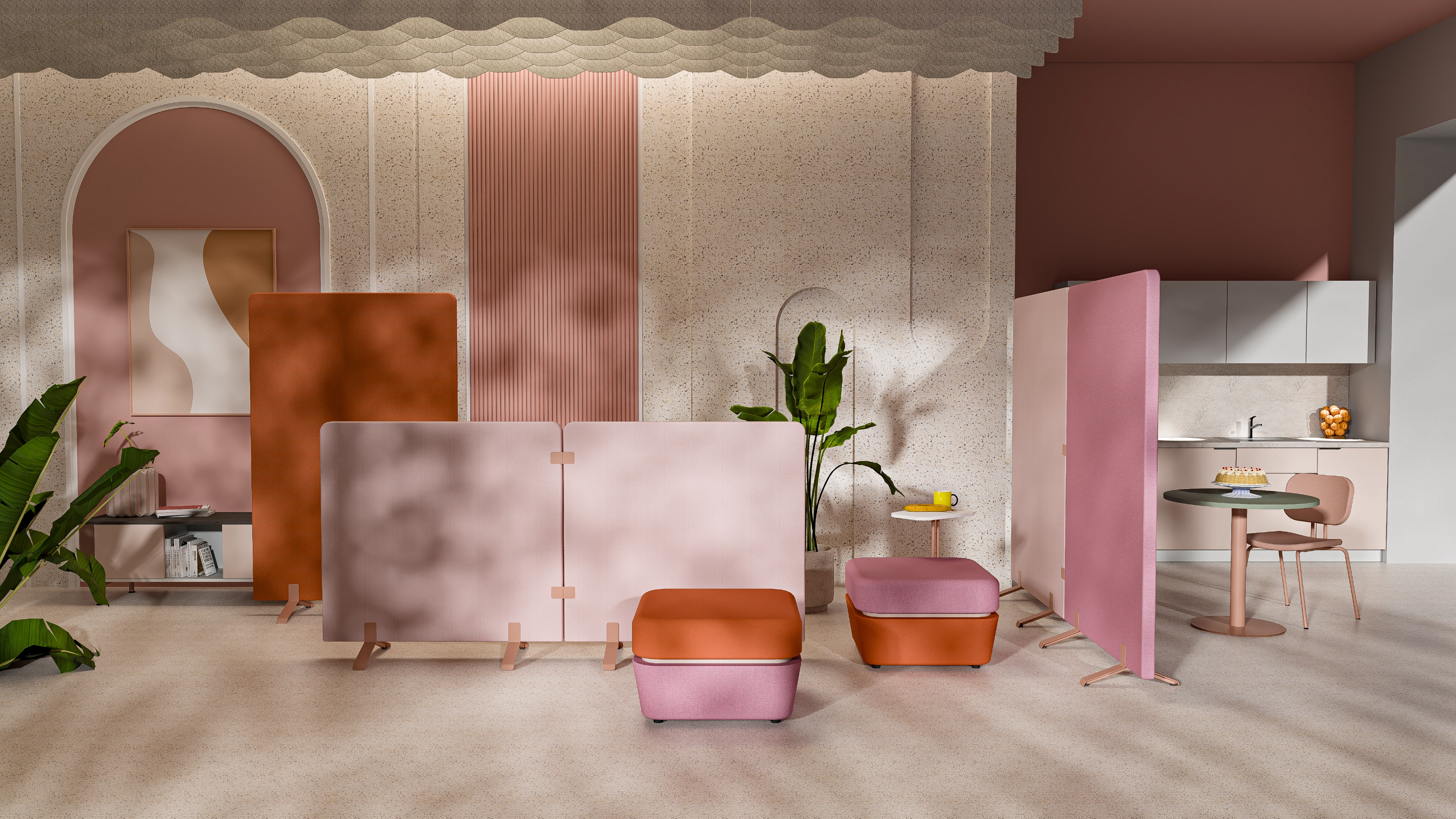
Professional technical solutions such as S40 acoustic partitions effectively support the idea of ensuring privacy. Their advantage is not only excellent sound absorption but also arrangement flexibility – they are available both in a freestanding and mobile version. The variety of sizes allows them to be freely combined, either as single elements or as entire configurations adapted to the space.
Ergonomic medical offices
In medical offices, functionality and patient comfort are just as important as the ergonomics of the staff’s work. What key elements should be taken into account?
- Adjustable chairs and treatment tables that ensure comfort during procedures for both parties – both the patient and the doctor. It is worth investing in models with electric height adjustment.
- Cabinets for equipment and materials – lockable cabinets made of antibacterial materials facilitate storage and help maintain hygiene.
- Lighting also matters – as indicated by the report, as many as 79% of respondents pointed to its importance. Choose bright but non-glaring light that ensures proper visibility while maintaining patient comfort.
Privacy – a key element of patient comfort
Privacy in a medical facility is not only a legal requirement but also a fundamental aspect of building trust and a sense of security among patients. Every patient wants to feel comfortable knowing that their personal data and health information are protected and that their privacy during the visit is fully respected.
What architectural and design solutions should be introduced to ensure patient comfort during visits?
- Confidential conversation areas – separated, quiet rooms or reception stations equipped with sound-absorbing systems that prevent accidental overhearing of conversations regarding health conditions.
- Shielded spaces in the waiting area – arranging seating in a way that provides maximum distance and limits the possibility of overhearing conversations of other patients.
- Discreet signage – introducing neutral markings that do not reveal the nature of the visit or the type of condition. Instead of names indicating a specific specialization (e.g., “Oncology Office”), more general terms or room numbering can be used to increase patients’ sense of privacy.
- Patient flow control systems – architectural solutions that minimize accidental encounters and crossing paths of patients in different zones of the facility.
Professional technical solutions, such as S50 acoustic partitions, effectively support the idea of ensuring privacy. Their advantage is not only excellent sound absorption but also design flexibility – they are available both in freestanding and mobile versions. The variety of sizes allows them to be freely arranged either as single elements or as entire configurations tailored to the space.
Color scheme and interior design
Colors in a medical facility have a significant impact on patients’ well-being. Avoid intense, bright colors in favor of pastel shades that introduce calm and harmony. Here are a few tips:
- neutral colors: white, beige, blue, or green are associated with cleanliness and calm;
- decorations: minimalist paintings, potted plants, or subtle accessories can warm up the interior and make it more welcoming.
The Maro furniture offer allows full personalization, so you can adjust the color scheme of the furniture to the character of your facility. Choose shades that introduce harmony and emphasize the professional character of the interior, creating a space friendly to both patients and staff.
Navigation and accessibility of space
Ease of movement is also crucial in medical facilities. To ensure patients feel comfortable, it is important to provide:
- clear signage – information boards and markings help patients easily reach the appropriate offices;
- adaptation of space for people with disabilities – wide passageways, ramps, and furniture adapted to the needs of wheelchair users enable comfortable visits for patients with mobility difficulties.
Comfort and functionality – the key to the success of your facility
Designing space in a medical facility is not only a matter of aesthetics, but above all an investment in patient comfort and the efficiency of staff work. Comfortable and ergonomic furniture, a well-thought-out layout of rooms, attention to hygiene, and elements that build a sense of safety and privacy are the foundations of a modern healthcare center.
Invest in modern furniture that combines aesthetics with functionality. Visit our website and see how the Maro furniture offer will make your facility not only stand out on the market, but also encourage patients to return.