 European Union
What does Generation Z expect from employers?
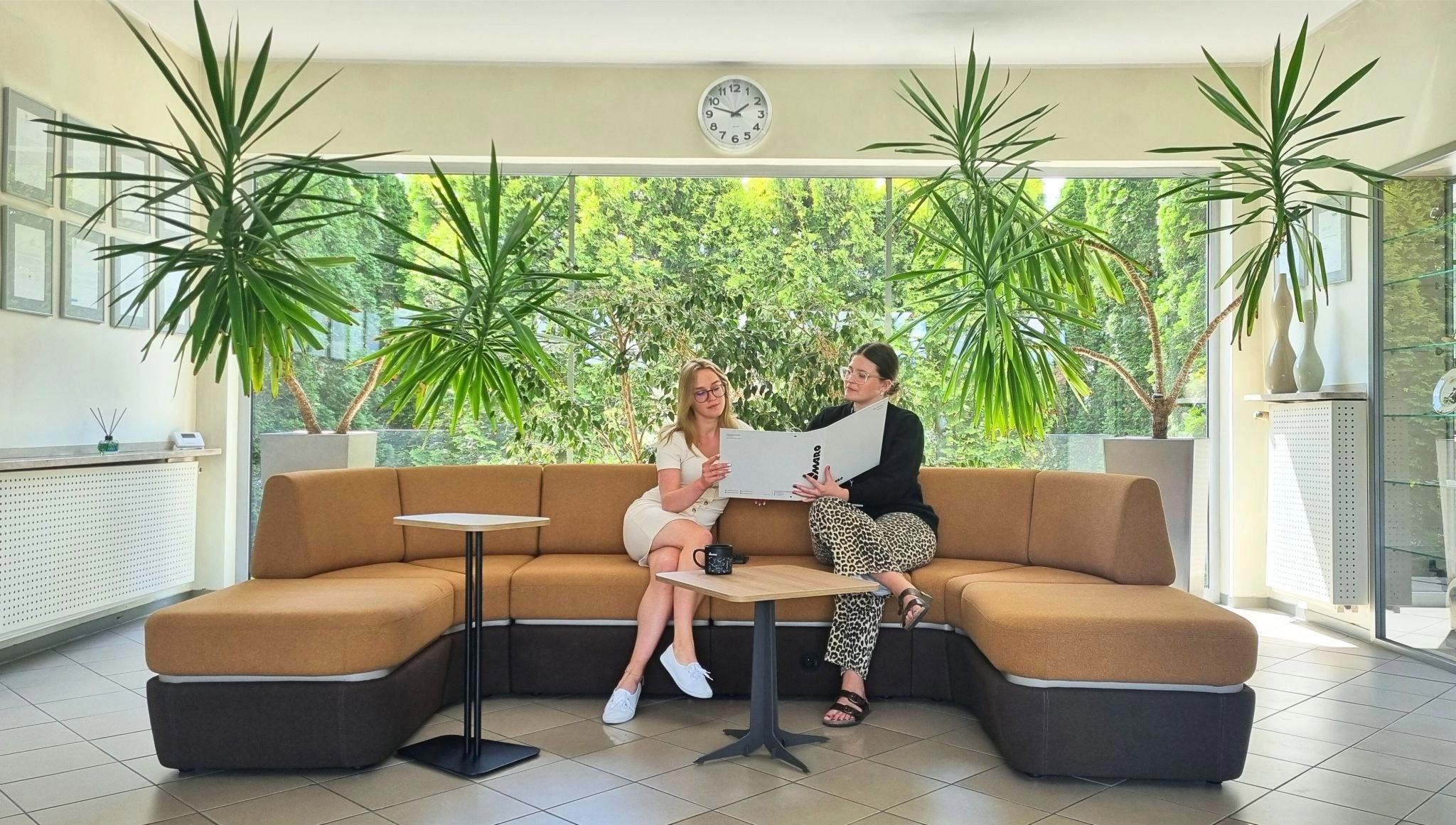
What’s on the mind of a typical Gen Z representative?
To begin with, let us try to understand who a typical representative of Generation Z is – a generation of people born between 1995 and 2012, whose worldview, needs, and values were shaped in the era of the digital revolution.
So far, many studies have been conducted analyzing the professional needs and priorities of this group. One of them is the report by the Polish Agency for Enterprise Development (PARP) titled “Labour market, education, competences” from April 2023, on the basis of which we can create a detailed portrait of a statistical representative of this generation.
Of course, it is worth remembering that not all Gen Z individuals are the same – among them we will find people with diverse beliefs and priorities, often going beyond established patterns. Nevertheless, for the purposes of this article, we will rely on a set of collected data that allows us to capture certain common characteristics of representatives of this group.
Our protagonist is 23-year-old Kasia, who is looking for her first serious job in Warsaw. A newly graduated finance and accounting alumna from the Faculty of Economic Sciences at the University of Warsaw, she has completed a number of internships in accounting offices in her hometown, carried out during summer breaks between subsequent stages of her studies.
Now Kasia wants to take the next step in her career. What type of company would she most likely want to join for the long term?
Work is not everything – personal goals of Generation Z
Kasia’s future employer must be aware that she places private life and the pursuit of her own passions above professional success.
According to the PARP report, representatives of Generation Z identified the following as key values: happiness (62%), family (60%), and the possibility of pursuing passions (56%).
An ideal employer would support Kasia in achieving her personal goals – enabling travel, developing interests, or undertaking initiatives aligned with her values. Kasia will most likely not decide to work for a company whose mission is not consistent with her personal values.
The employer will also need to create a work environment that reflects the qualities most important to her: fairness, respect, and tolerance – indicated as the most important by 62%, 59%, and 55% of respondents, respectively.
8 hours in the office? Passé!
It will come as no surprise that representatives of Generation Z value flexibility from employers. As many as 58% of respondents indicate the possibility of remote work as a key factor influencing the decision to stay with a given organization.
Flexible working hours and freedom in choosing the place where work is performed are further aspects that are extremely important to them.
As studies show, the greatest advantages of remote work according to the Polish Generation Z are the possibility of working at any time and from any place (83%) and greater freedom in carrying out tasks (79%).
On this basis, we can conclude that Kasia will be more inclined to take a job at a company that allows her to perform her duties at convenient hours, in line with her individual needs and lifestyle.
A leader instead of a boss – what does Generation Z expect?
The labour market is evolving, and along with it, approaches to management and hierarchical structures in companies are also changing.
For representatives of Generation Z, a boss is much more than a person who assigns tasks and holds others accountable for results. It is a leader who cares about employee development, supports their career paths, and inspires them to achieve even better results.
Research shows that Generation Z prefers a transformational leadership style that emphasizes motivation, inspiration, and an individual approach to team members.
Among the most desired traits of management are empathy, innovation, and openness.
In addition, building a positive work atmosphere and receiving support from supervisors and coworkers are absolute standards for young employees, the absence of which can effectively discourage them from committing to an organization for the long term.
What motivates and what discourages Gen Z?
Studies conducted by PARP shed light on factors that may discourage representatives of Generation Z from a given organization already at the job-search stage. These include:
- An unclearly defined job profile (71% of respondents)
- Lack of information about employment conditions (40%)
- Excessive competition for a given position (34%)
- Negative opinions about the organization (33%)
These statistics clearly show that Generation Z values transparency and clear communication from the very first contact with a potential employer.
Kasia will therefore not be interested in applying for positions where the scope of duties or employment conditions are unclear.
And what if Kasia decides to take a job in a specific organization? An employer who wants to retain her in the long term has a range of motivational tools at their disposal.
The strongest motivator is salary increases – indicated by as many as 88% of respondents.
Slightly fewer, 82%, consider additional bonuses an important factor increasing loyalty to the company.
Kasia will also appreciate investments in her development, such as training courses or other educational initiatives that help expand competencies and build a career in line with her goals.
How do global companies adapt to the needs of Generation Z?
Global corporations, aware of the purchasing power and potential of Generation Z as current and future employees, are actively adjusting their strategies to meet their expectations. Let us look at a few examples:
- Flexibility and remote work: Companies such as Google and Microsoft have long offered flexible work models, including remote and hybrid work. They also invest in tools and technologies that enable employees to collaborate effectively at a distance.
- Development and mentoring: Organizations such as Deloitte and EY focus on mentoring and development programs, offering young employees opportunities to learn from experienced leaders and quickly develop their careers. These companies also invest in e-learning platforms and training tailored to individual employee needs.
- Values and mission: Brands such as Patagonia and Ben & Jerry’s have for years been engaged in social and environmental initiatives. They communicate their values in a clear and authentic way, which resonates with Generation Z, who place importance on business ethics and its impact on the world.
- Transparency and communication: Companies such as Buffer are known for open communication and transparency regarding compensation and business strategies, thereby building trust and loyalty among employees.
- Care for well-being: An increasing number of companies, including Nike and Headspace, offer well-being programs that include, among others, access to meditation platforms, sessions with psychologists, or sports activities. These companies understand that employees’ mental and physical health has a direct impact on their effectiveness and job satisfaction.
Generation Z: a challenge and an opportunity for employers
Based on the considerations above, it is possible to outline the image of an ideal employer for Generation Z. But are their expectations not too high?
Someone might ask: since when should an employer take employees’ personal needs into account in the professional environment?
Among older generations, there is no shortage of negative opinions about younger colleagues from Generation Z. However, research by Hays Poland shows that as many as 42% of Baby Boomers and representatives of Generations X and Y have no clear opinion on this issue, which may suggest a lack of unequivocal experience working with Gen Z.
On the other hand, nearly 39% of Generation Z representatives themselves believe that their generation has a poor image on the labour market.
Regardless of who is right, one thing is certain: with each passing year, Generation Z will constitute an increasingly larger part of the labour market.
Employers – whether they want to or not – will have to adapt their strategies if they wish to attract and retain the best talent from this group.
For companies that approach the challenges posed by the younger generation with openness, their expectations may become a catalyst for change leading to the creation of inspiring and effective teams.