 European Union
Scandinavian-Style Office – How to Combine Functionality with Design
Light Colors and Minimalist Forms
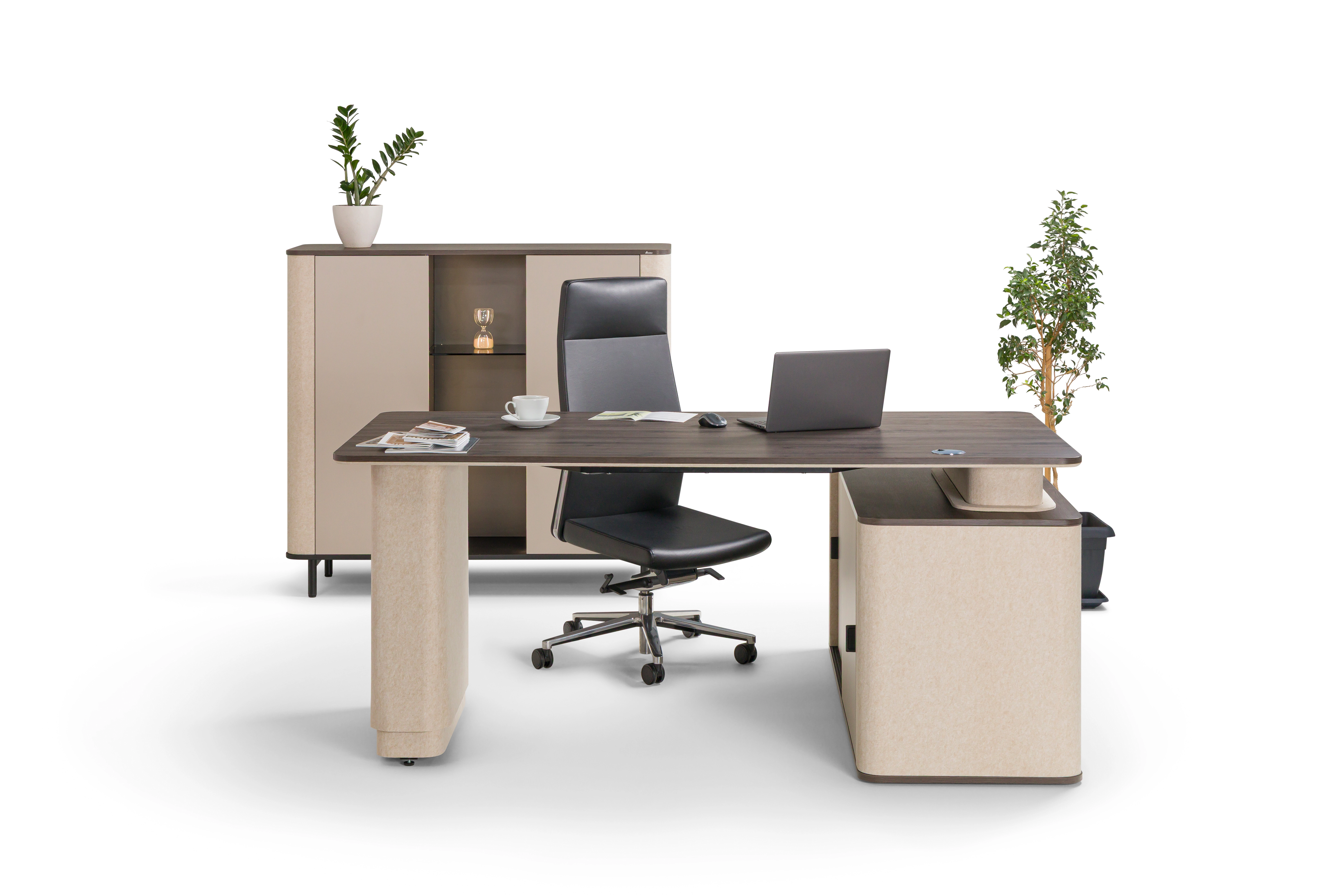
In a Scandinavian-style office, light colors dominate: white, greys, and natural wood tones. Minimalist furniture and a limited number of decorations create an organized and calm space that supports concentration. As archdaily.com points out, the simplicity of forms in Scandinavian style increases the sense of harmony and working comfort.
Functionality and Ergonomics
Scandinavian style focuses on practicality. Every element of the interior has its place, and the space is well organized. In remote work and open space offices, not only appearance matters, but also workstation ergonomics. The Office Principles report emphasizes that organized interiors support productivity and employee well-being.
Height Adjustment for Health and Comfort
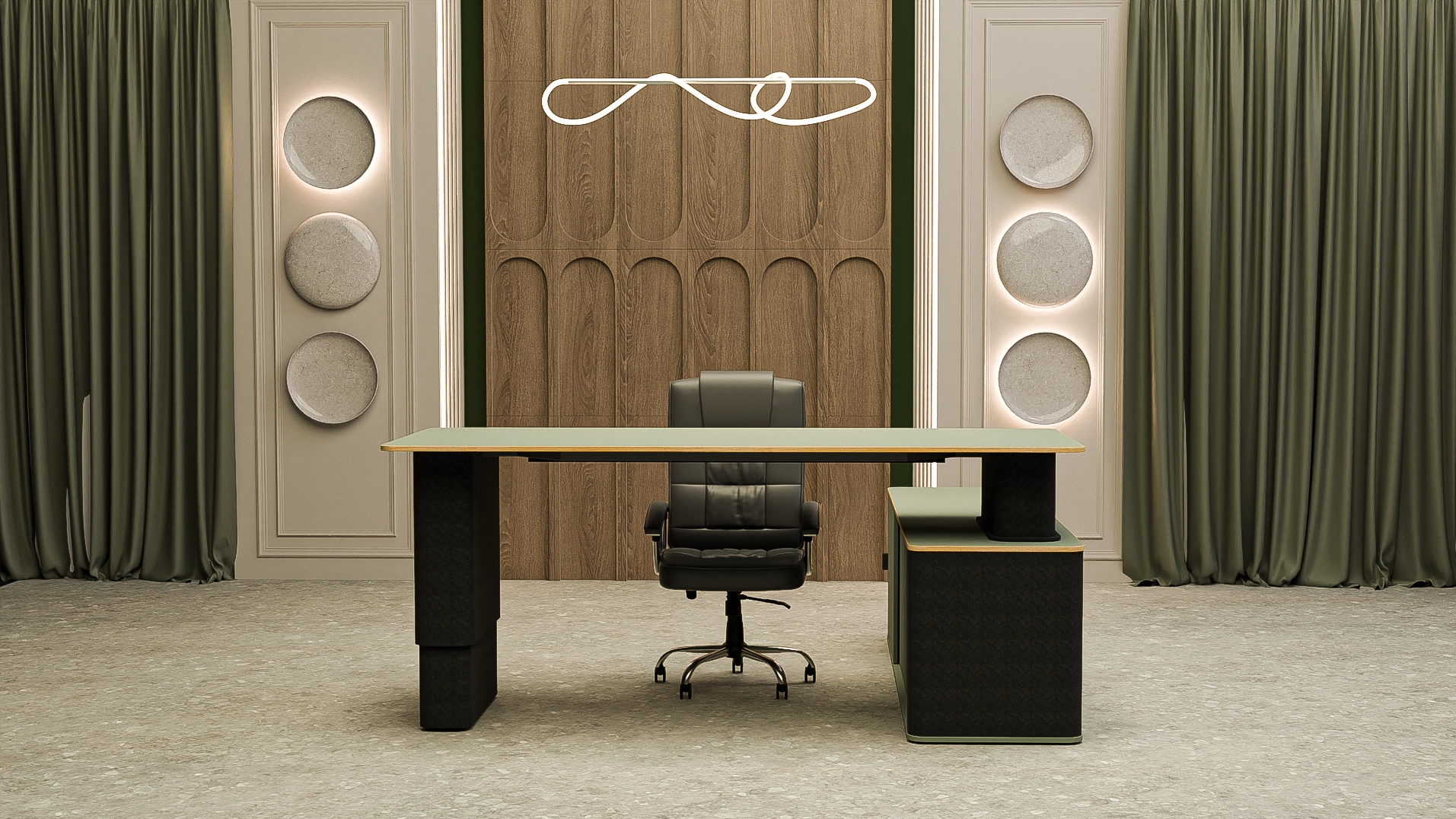
The Eleganza desk with electric height adjustment allows you to work both sitting and standing. Research published by BMC Public Health shows that using sit-stand desks reduces muscle fatigue and back discomfort.
Choosing Furniture and Accessories
Choose a desk with simple, clean lines – such as Eleganza.
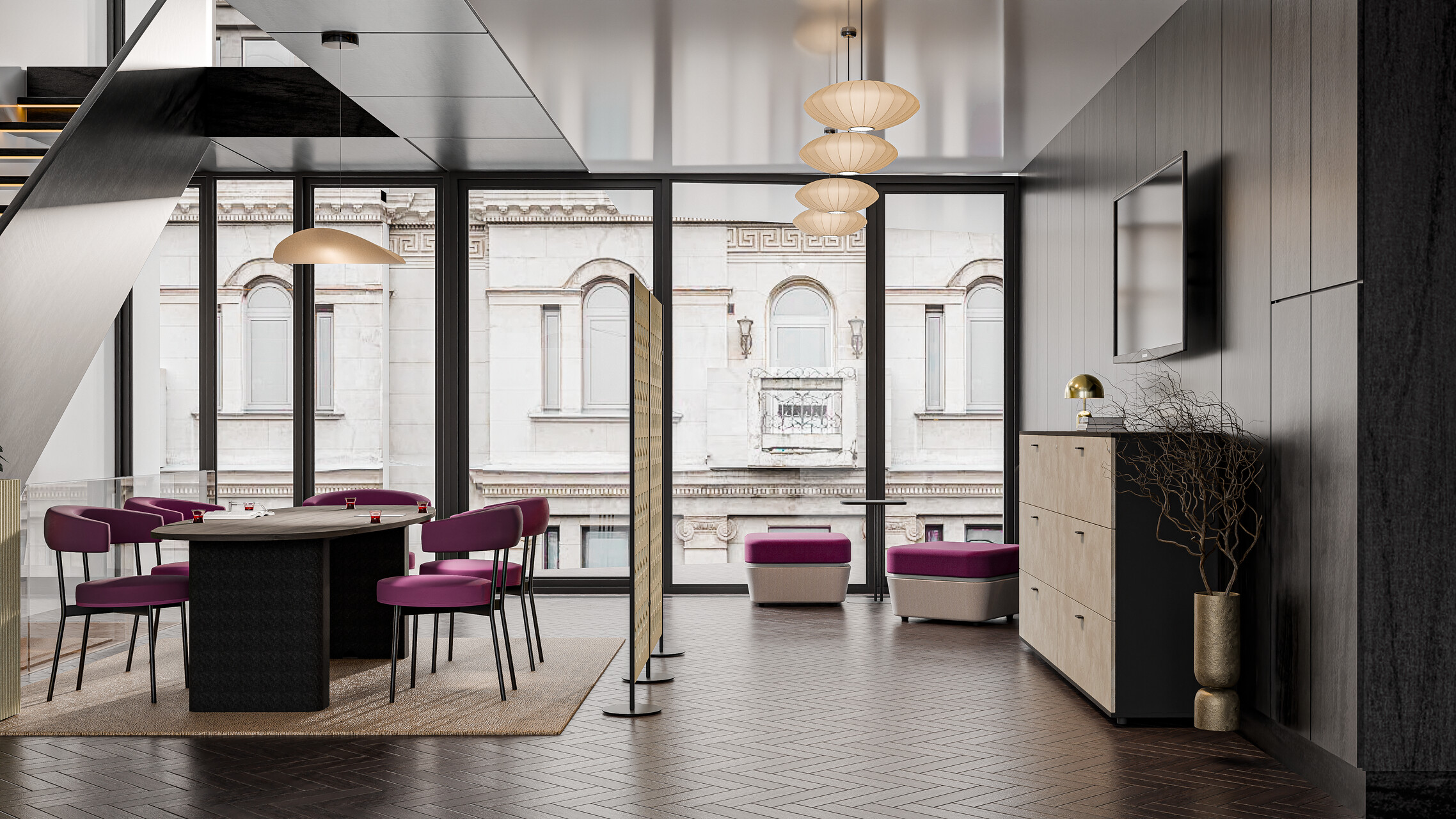
Opt for a neutral color palette that complements a bright interior.
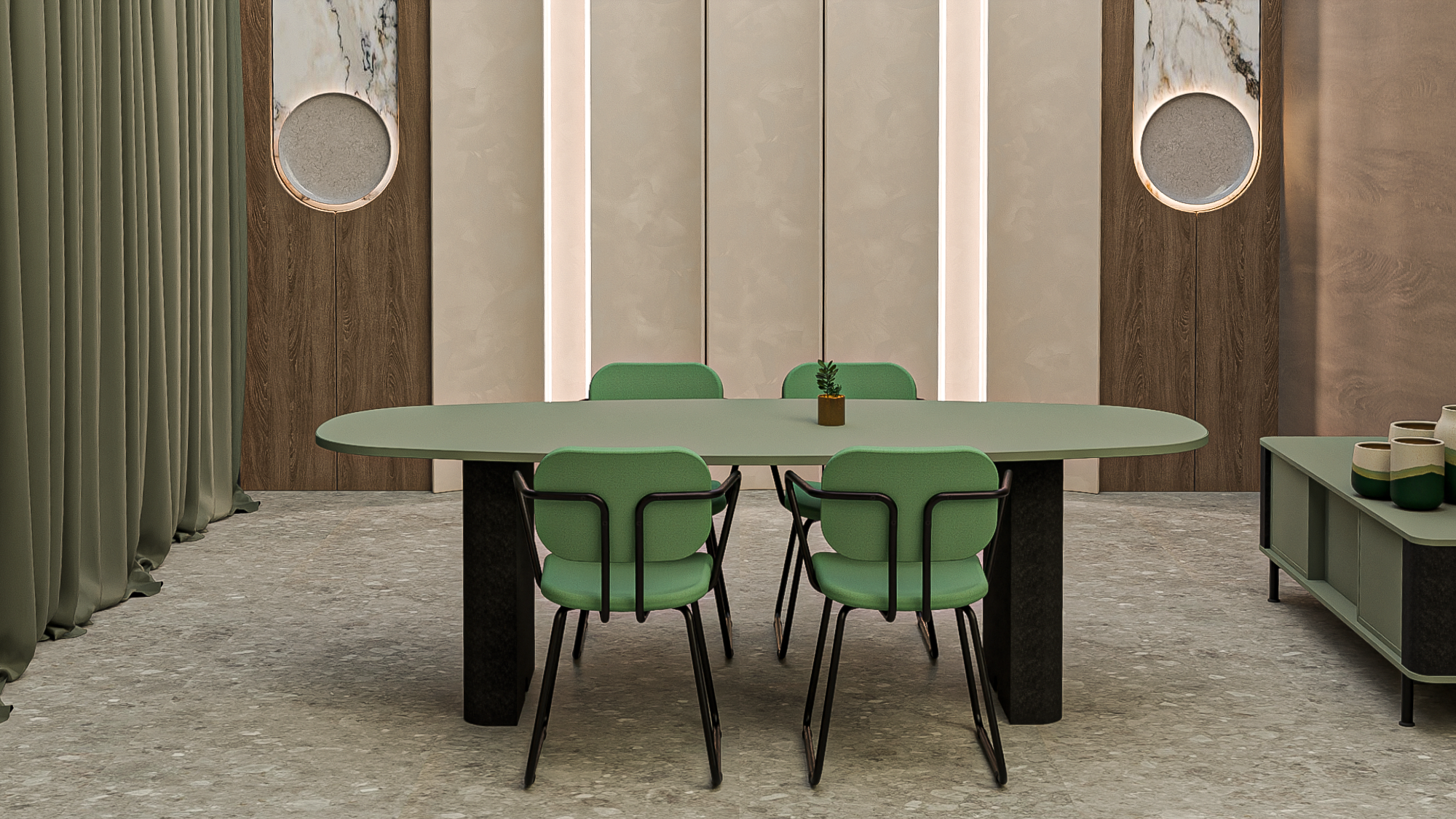
Introduce natural materials: wooden shelves, potted plants, and throws in muted colors.
Ergonomic Workspace Setup
The desk surface should be positioned so that your elbows are bent at a 90-degree angle, and the monitor is at eye level.
Movement and changing positions are key – follow the sit-stand work principle in 30/15-minute cycles (Griffith University).
Minimize unnecessary items on the desk to maintain order and clarity.